Two experiments, one survey, and study site locations
→
Species Catalog
221 species of fishes and invertebrates identified
→
Photo Gallery
Images of Mo'orea, corals, and CAFI species
→
Data & Methods
23 data files, field protocols, and downloads
→
Get Started
Download data, cite dataset, and team info
→
Understanding the Dataset
What Lives Hidden in Coral?
Cryptic biodiversity within Pocillopora coral colonies
What are CAFI?
CAFI stands for Coral Associated Fishes and Invertebrates — the organisms (crabs, shrimp, worms, snails, fish) that live within coral branches. While corals appear solid from outside, they house entire communities of organisms in the spaces between branches. These organisms can influence coral health and growth.
This dataset documents the biodiversity hidden inside Pocillopora coral colonies on the reefs of Mo'orea, French Polynesia. From June 2019 to March 2023, researchers extracted, identified, and measured over 17,000 individual organisms representing 221 species.
17,073
Individual Organisms
221
Unique Species
228
Coral Colonies
55
Reef Sites
45
Months Duration
23
Data Files
Geographic Location
Latitude
17.47°S - 17.52°S
Longitude
149.81°W - 149.92°W
Depth Range
1 - 8 meters
Project Timeline
June 2019
Field work begins: Experimental setup and initial surveys at Mo'orea
2019 - 2021
Monthly monitoring: CAFI censuses, coral physiology sampling, fish surveys
Data collection complete: Final identifications and measurements
Data Quality Score: 99.7/100
This dataset has undergone 6 levels of quality verification. All 17,073 organism records plus supporting data have been validated for accuracy, completeness, and biological plausibility.
Visual Documentation
Life Inside the Coral
Click any image to view full size
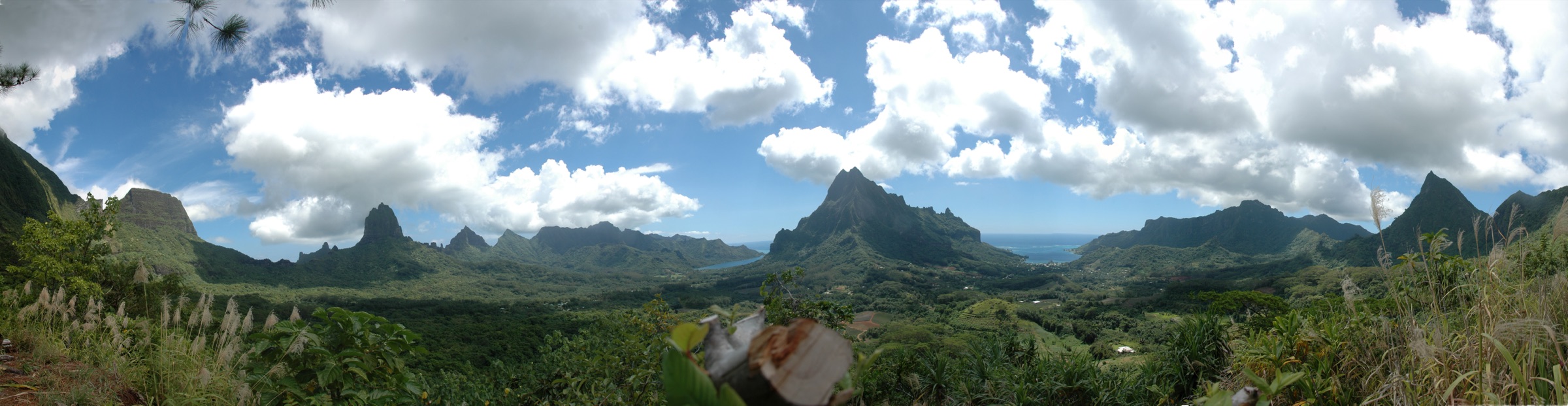
Research Location
Mo'orea, French Polynesia — a volcanic island in the South Pacific renowned for its pristine coral reefs and world-class marine research facilities at the UC Berkeley Gump Station.
Featured CAFI Species
The most common cryptic organisms found living within Pocillopora coral colonies.
+
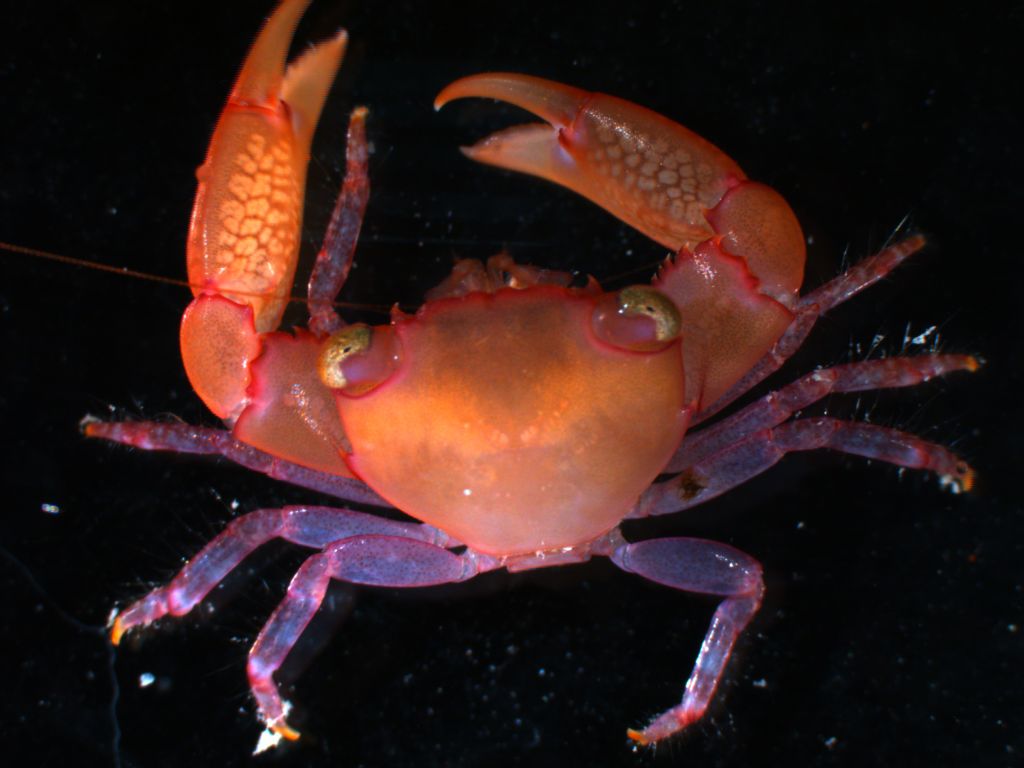
Guard Crab
Trapezia serenei
One of the most common CAFI species (1,240 individuals, 7.3%). These crabs defend corals from predators like crown-of-thorns starfish.
+
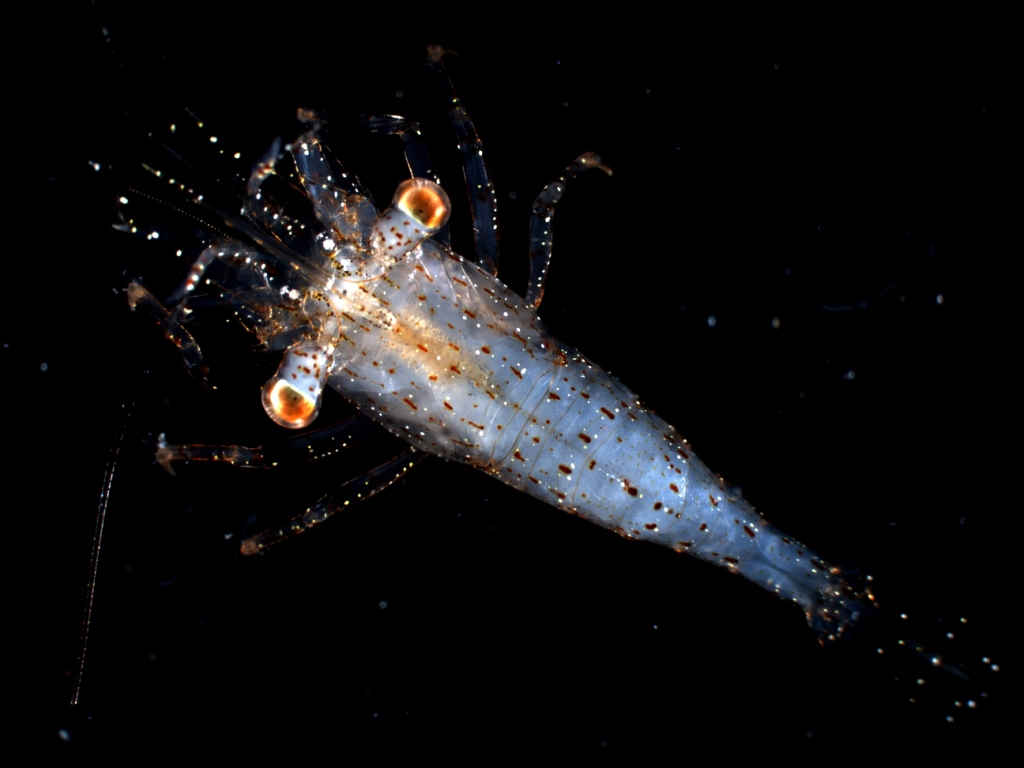
Coral Shrimp
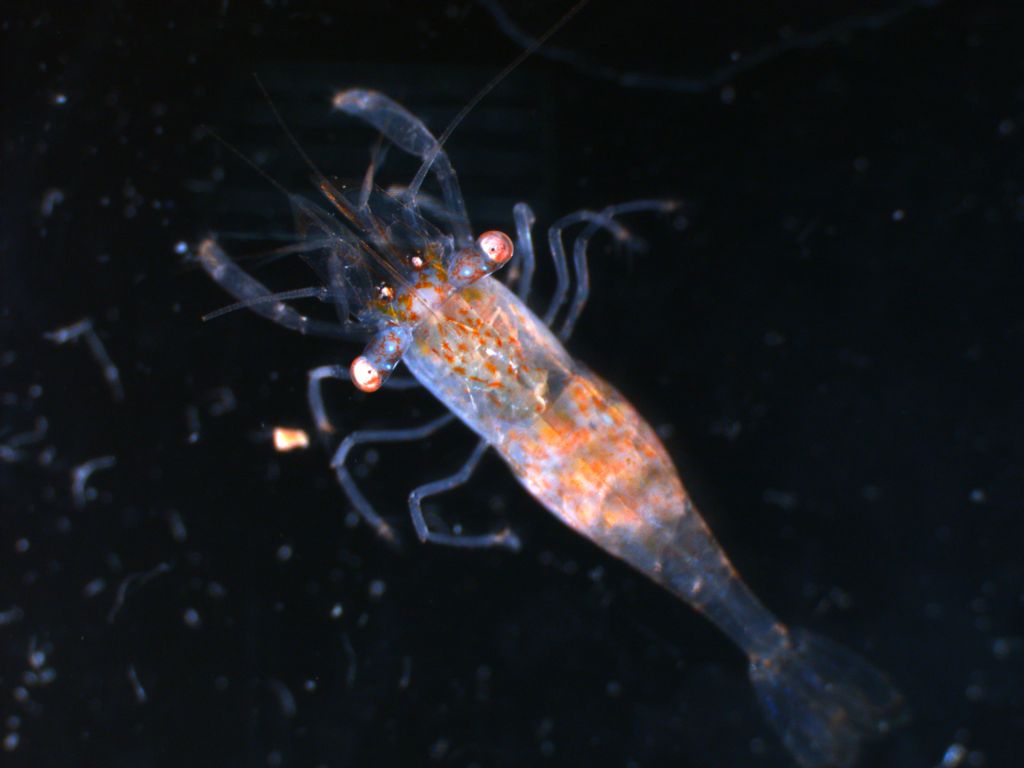
Harpiliopsis spinigera
Highly abundant shrimp (853 individuals, 5.0%) that lives exclusively in branching corals with distinctive transparent body.
+
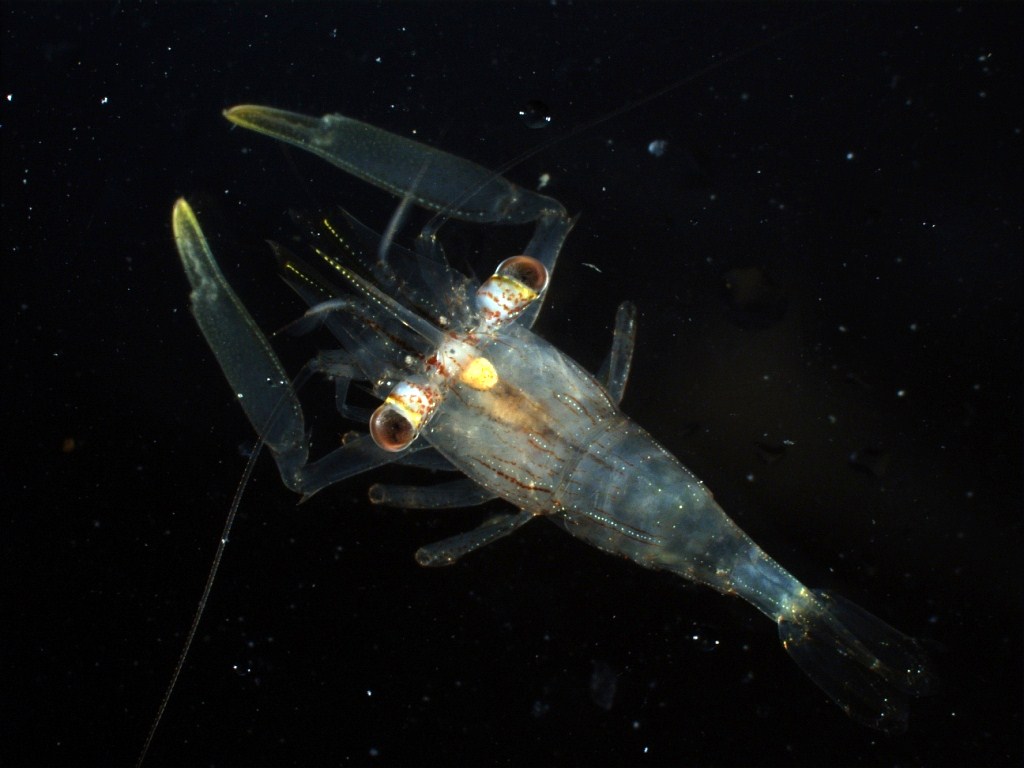
Flattened Shrimp
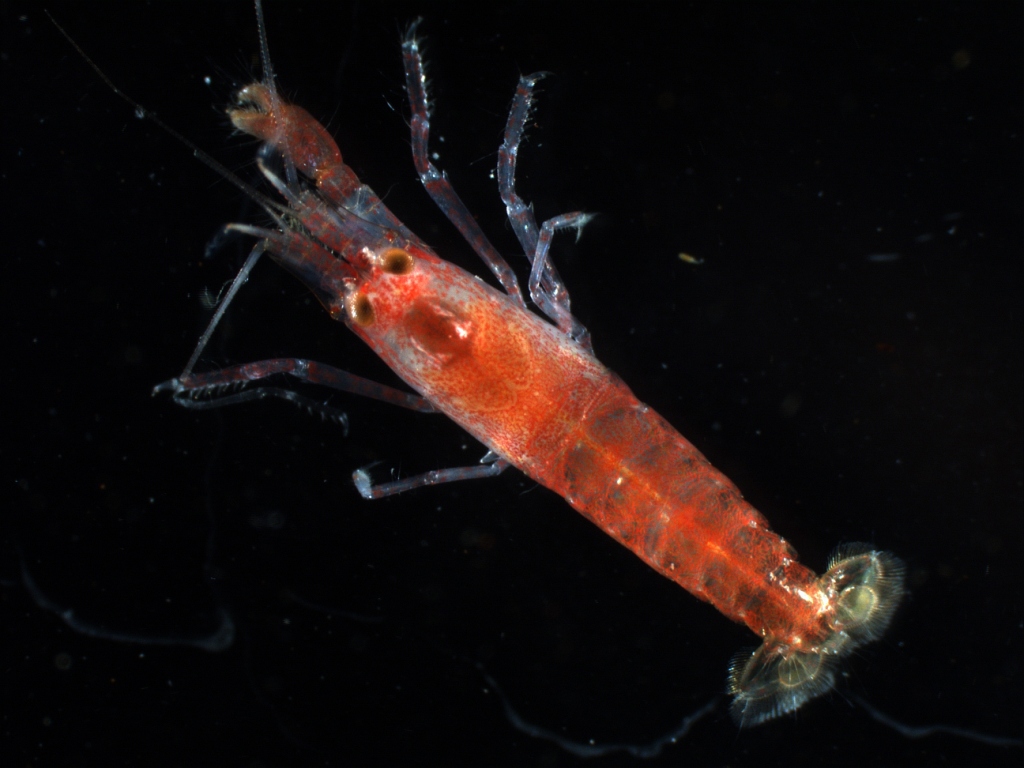
Harpiliopsis depressa
Remarkably flattened body - a specialized adaptation for navigating narrow coral crevices.
+
Squat Lobster
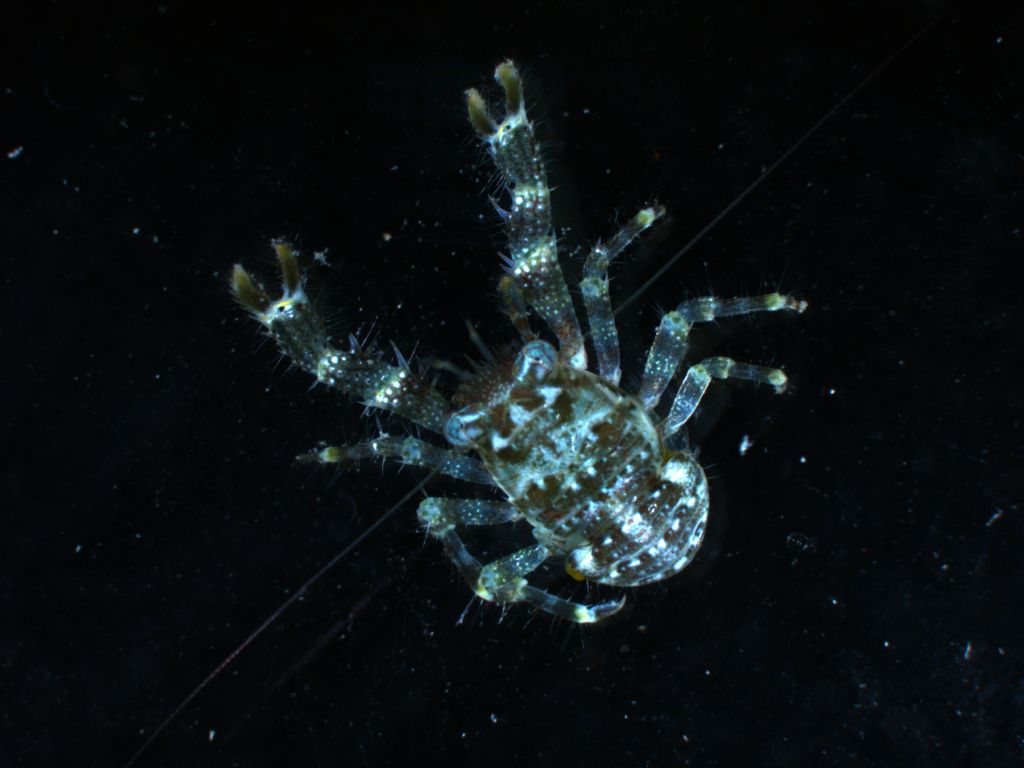
Galathea mauritiana
Common crustacean (516 individuals, 3.0%) with distinctive striped pattern. Filter feeders that benefit from coral water flow.
+
Cleaner Shrimp
Periclimenes gonioporae
These shrimp (513 individuals, 3.0%) help maintain coral health by removing parasites. Translucent body with purple spots.
+
Snapping Shrimp
Alpheus cf. sizou
Creates loud cavitation bubbles to stun prey (1,258 individuals, 7.4% of CAFI). The 5th most abundant taxon.
+
Guard Crab in Coral
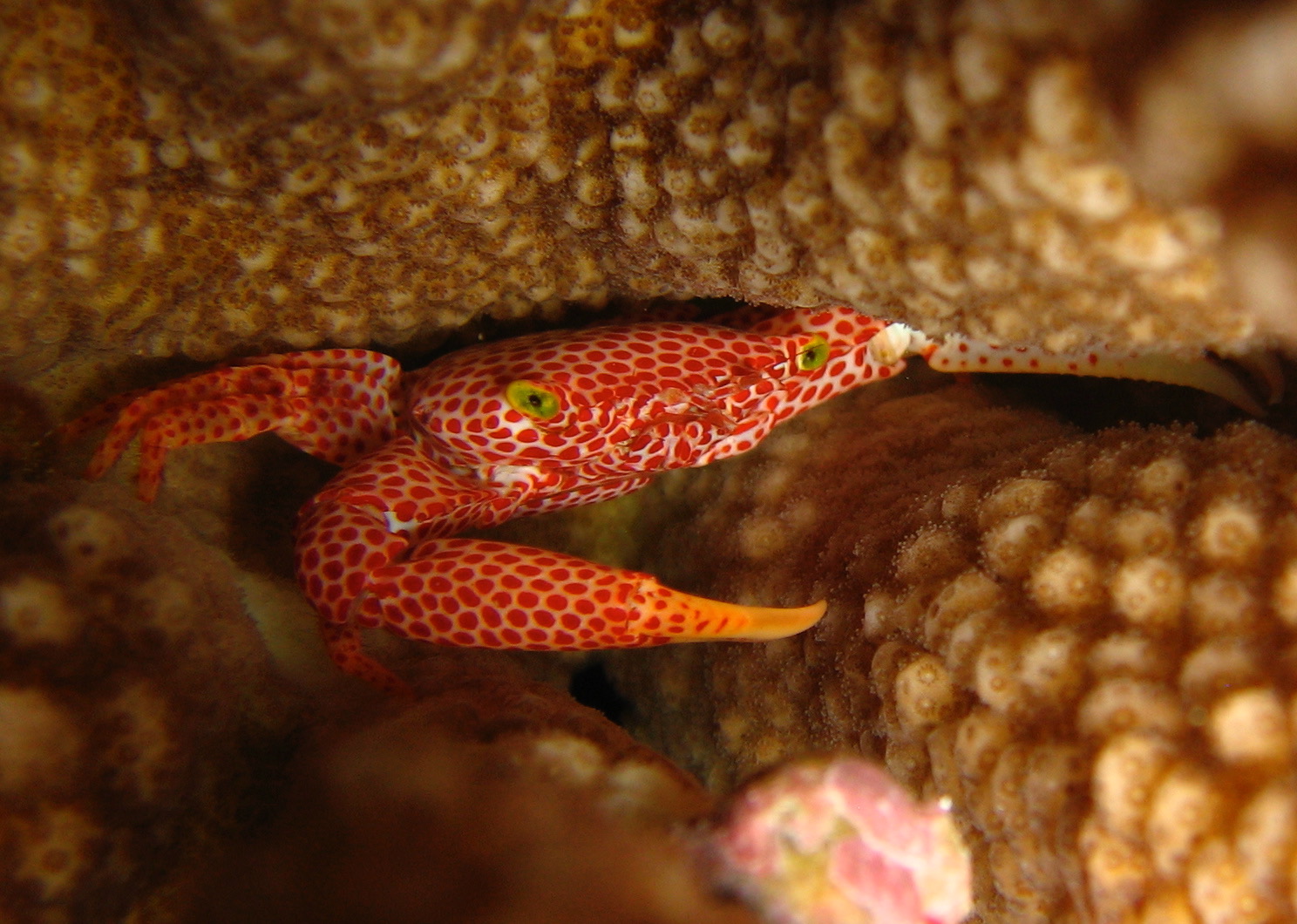
Trapezia sp.
Coral guard crabs live deep within branch interstices, defending their host coral from predators like crown-of-thorns starfish.
+
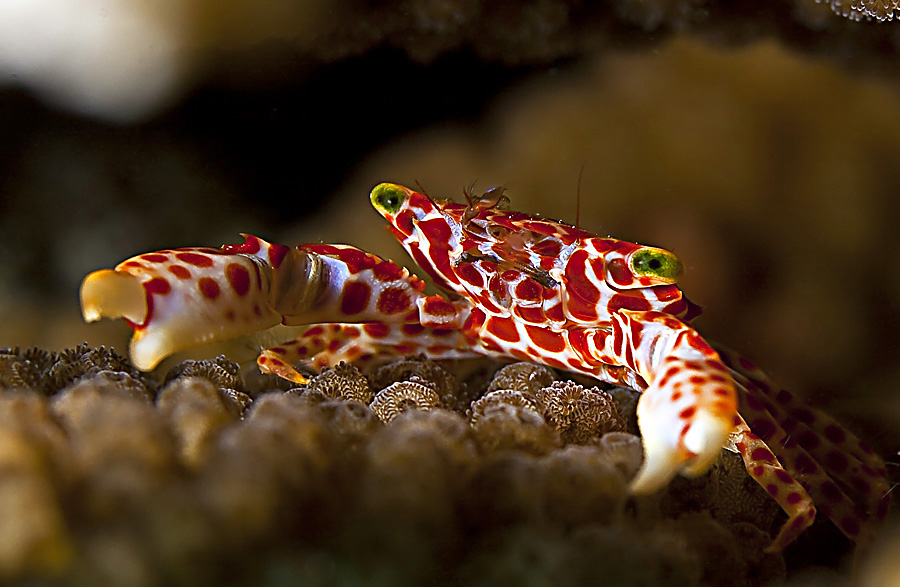
Red-spotted Guard Crab
Trapezia sp.
Multiple Trapezia species coexist on single coral colonies, with distinctive color patterns aiding identification.
+
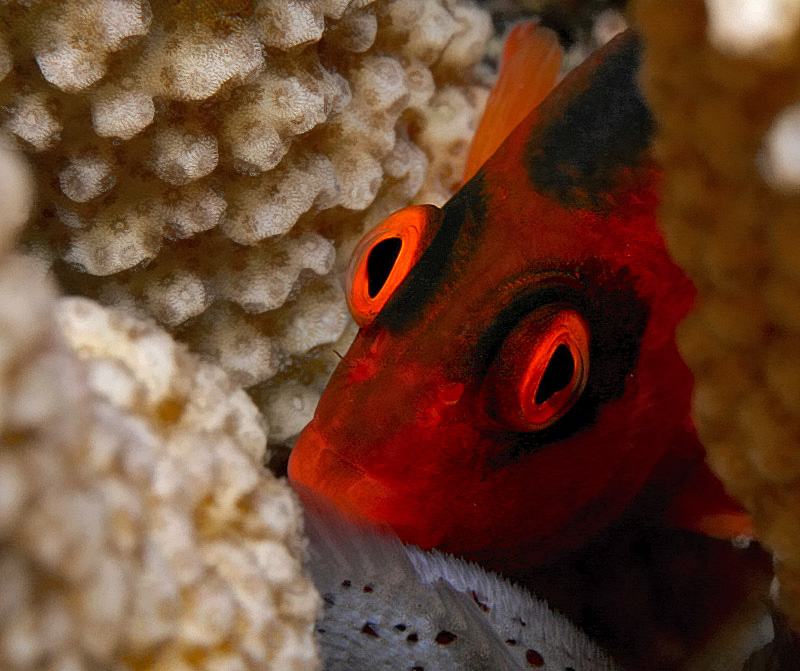
Flame Hawkfish
Neocirrhites armatus
A coral-associated fish that perches within Pocillopora branches, representing the "F" in CAFI (Fishes and Invertebrates).
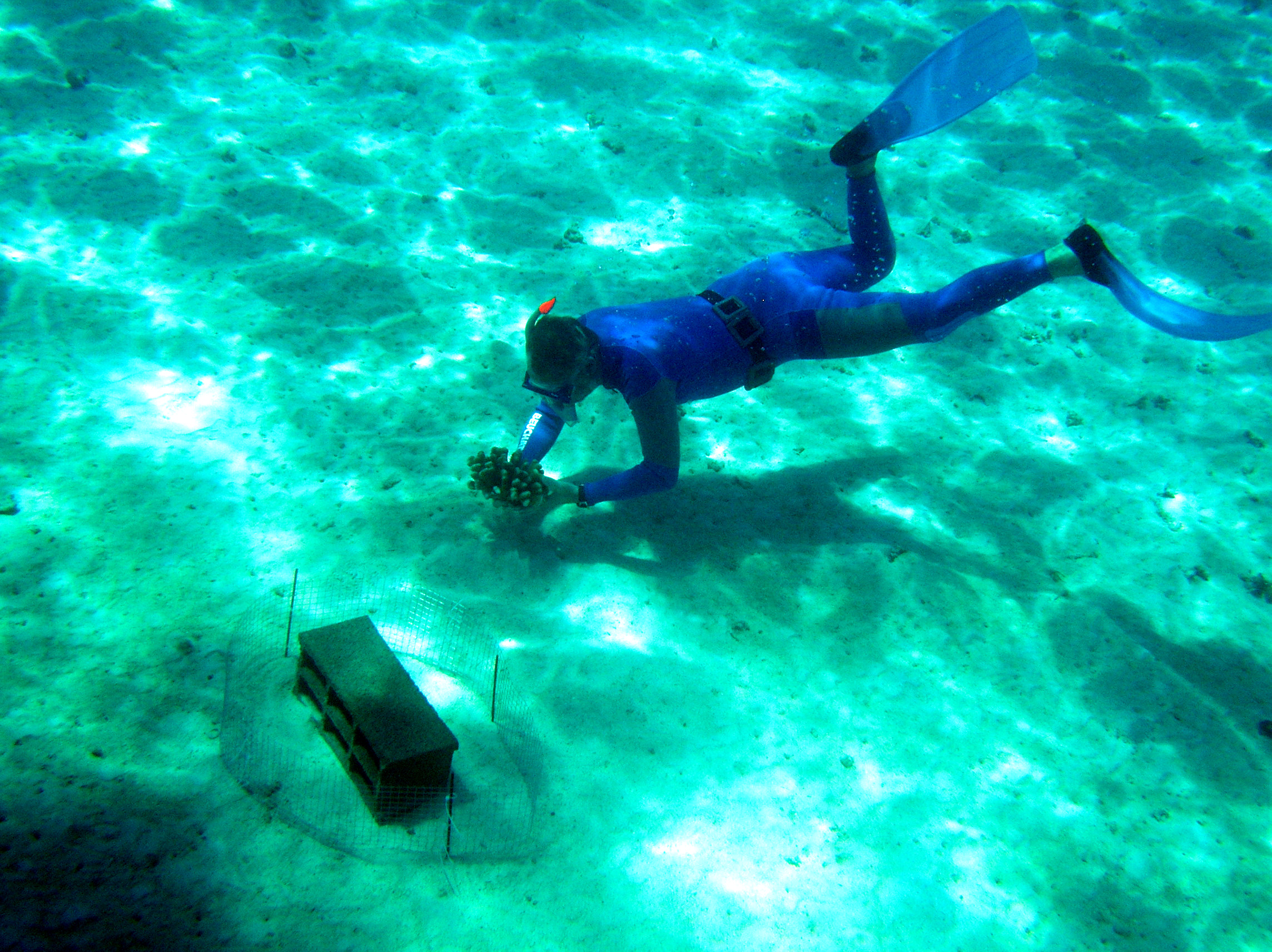
Field Research
All research conducted at the UC Berkeley Richard B. Gump South Pacific Research Station.
+
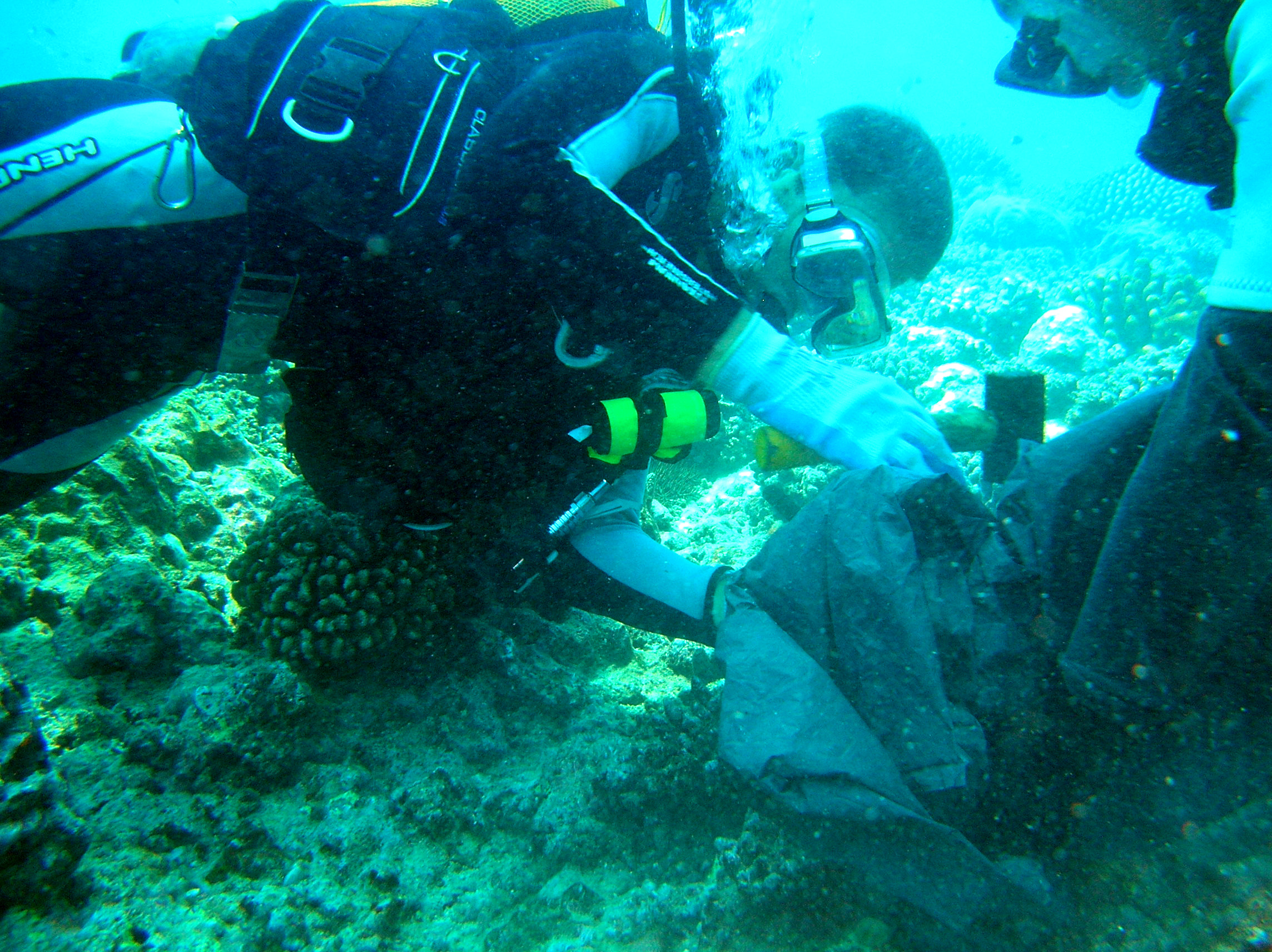
Field Collection
Processing coral colonies to extract CAFI organisms. Each coral was carefully dissected to preserve delicate specimens.
Question: How variable are CAFI communities across natural reef gradients?
Design: Observational survey of 114 Pocillopora colonies across 55 sites and 3 reef systems
Location: Multiple sites around Mo'orea (17.5°S, 149.8°W)
Duration: Summer 2019
Key Findings:
3,989 CAFI individuals identified
6-fold variation in CAFI abundance across sites
Natural community composition documented
Coral characteristics and physiology measured
How They Connect
These three studies provide complementary perspectives on coral-CAFI relationships:
Maatea Size Experiment — Examines natural variation: How does coral size affect CAFI communities?
MRB Amount Experiment — Tests habitat density effects: How does coral clustering affect CAFI community assembly?
Mo'orea Survey — Provides ecological context: What are CAFI communities like across natural reef gradients?
Together, these studies reveal that coral size strongly determines CAFI abundance (10× increase from small to large colonies), and CAFI communities in turn influence coral physiology and growth.
Biodiversity Catalog
CAFI Species Catalog
221 species of crabs, shrimp, worms, snails, and fish
What makes CAFI special?
These organisms occupy different ecological roles: some are mutualists that protect the coral (like guard crabs), others are commensals seeking shelter, and a few are parasites. Understanding these communities informs coral conservation efforts.
Top 10 Most Abundant Genera
G
Galeropsis
1,904 (11.2%)
Snails
Trapezia
1,709 (10.0%)
Guard crabs
C
Chromis
1,349 (7.9%)
Damselfish
Harpiliopsis
1,279 (7.5%)
Shrimp
Alpheus
1,258 (7.4%)
Snapping shrimp
C
Calcinus
918 (5.4%)
Hermit crabs
D
Dascyllus
723 (4.2%)
Damselfish
P
Paragobiodon
538 (3.2%)
Gobies
Galathea
523 (3.1%)
Squat lobsters
Periclimenes
513 (3.0%)
Cleaner shrimp
Taxonomic Resolution
Quality ranks in the top 5% of cryptofauna studies worldwide:
Study
Species Level
Genus Level
Family Level
Uncertain
Maatea Size
82.4%
89.7%
98.6%
0.5%
MRB Amount
87.8%
94.3%
99.1%
0.1%
Survey
76.1%
92.8%
97.9%
3.3%
Typical cryptofauna studies: 50-70% species resolution This dataset: 76-88% species resolution
The community is dominated by mutualistic species like Trapezia guard crabs and Alpheus snapping shrimp that defend corals from predators.
Data Structure
23 Data Files
Organized into 3 BCO-DMO datasets for repository submission
Understanding the Data Structure
This dataset captures the complete ecology of cryptic coral-associated communities across 228 Pocillopora coral colonies from Mo'orea's backreef lagoons. The data spans three complementary studies (see Research Studies):
MRB Amount Experiment (54 corals) — Manipulates CAFI density to test effects on coral growth
All data files are linked by coral_id — a unique identifier for each colony (e.g., MAT-POC01, FE-POC03, 2-4C) that allows you to connect CAFI counts, physiology measurements, fish surveys, and 3D morphology for the same coral.
Studies remain identifiable within each dataset by filename prefix (maatea_size_, moorea_survey_, mrb_amount_) and the coral_id column. Click any file to download it directly.
Dataset 1: Biological Data
CAFI taxonomy, coral physiology, and fish surveys — 10 files
What's in this dataset: Every individual organism extracted from coral colonies, identified to species level where possible (82% species-level resolution). Includes 17,073 CAFI records across 228 corals, plus coral tissue physiology (protein, carbohydrates, zooxanthellae) and fish community surveys. Species names are validated against the World Register of Marine Species (WoRMS) with AphiaIDs included.
Photogrammetry, growth measurements, and colony characteristics — 9 files
What's in this dataset: 3D coral structure from underwater photogrammetry using Structure-from-Motion (SfM) reconstruction. Measurements include surface area (cm²), volume (cm³), and height (cm) for tracking coral growth over 17-24 months. Colony characteristics include branch width, morphotype, and GPS coordinates. See Methods for photogrammetry processing details.
Treatment assignments and genetic sample metadata — 4 files
What's in this dataset: The experimental "key" files that tell you which coral got which treatment. Essential for any statistical analysis — join these files to CAFI taxonomy or physiology data using coral_id. Treatment factors include coral size class (thin/medium/thick), CAFI manipulation (present/removed), and density treatment (low/medium/high = 1/3/6 corals per array).
These 7 additional files provide raw data, QC verification, and methodological supplements. Use these if you need to verify primary file processing or access detailed technical outputs:
mrb_amount_photogrammetry_200k_mesh_2019_2021_v1.csv — Raw photogrammetry output (264 rows)
mrb_amount_coral_growth_surface_area_change_filtered_v1.csv — QC-filtered growth data (44 corals)
mrb_amount_coral_id_position_treatment_v1.csv — Grid position metadata
moorea-cafi-data/├── data/# 23 data files (CSV + XLSX)├── metadata/# 24 metadata files│ ├── README_*_project_overview.txt# 5 method overviews│ ├── README_*_metadata_v*.xlsx# 8 data dictionaries│ ├── README_*_metadata_v*.csv# 8 BCO-DMO parameter files│ ├── site_locations.csv# GPS coordinates│ └── personnel.csv# Research team├── images/# Species photos and figures├── README.md# Start here!├── GETTING_STARTED.md# Quick start guide├── DATA_DICTIONARY.md# Every column explained├── BCO_DMO_FILE_DESCRIPTIONS.csv# Complete file index├── CITATION.cff# How to cite└── LICENSE# CC-BY-4.0
Methodology
How Data Was Collected
Field protocols and quality control procedures
Research Location: UC Berkeley Richard B. Gump South Pacific Research Station, Mo'orea, French Polynesia
Timeline: Field work (June 2019 - June 2021) in Tahiti Time (UTC-10) + Laboratory analysis (2021 - March 2023) = ~45 months total Team: PIs Adrian C. Stier (UCSB) & Craig W. Osenberg (UGA); Field Team: Joseph Curtis (UCSB) & Alex Primo (UGA)
Field Collection Protocol
Step 1: Coral Selection
Pocillopora colonies were selected across a range of sizes (5-47 cm branch width) and reef sites (depth 1-8m). Colonies were tagged with unique IDs (e.g., FE-POC03, 2-4C, MAT-POC15).
Step 2: CAFI Census
Corals were carefully broken apart and every visible organism was extracted, counted, measured (to nearest mm), and photographed. CAFI were preserved in ethanol for later identification.
Step 3: Coral Physiology
Coral tissue was collected, homogenized, and analyzed for protein content (Bradford assay), carbohydrate content (phenol-sulfuric acid assay), and zooxanthellae density (hemocytometer counts).
Step 4: 3D Photogrammetry
Corals were photographed from multiple angles underwater. Structure-from-Motion software reconstructed 3D models to measure surface area, volume, and height changes over time.
Step 5: Laboratory Identification
CAFI specimens were identified under microscope using taxonomic keys. Species names were validated against the World Register of Marine Species (WoRMS) database.
Measurement Precision
Measurement
Method
Precision (CV)
Assessment
Protein
Bradford spectrophotometry
1.2-2.1%
High
Carbohydrates
Phenol-sulfuric acid
1.2-2.1%
High
Zooxanthellae
Hemocytometer counts
~5%
Good
CAFI size
Calipers/microscope
±1mm
High
Surface area
3D photogrammetry
~10%
Good
Clinical chemistry standard: CV < 5% This dataset: CV 1.2-2.1% for physiological measurements
How does CAFI community composition change with coral size?
Do mutualistic species (e.g., Trapezia) increase coral protein content?
Is CAFI diversity correlated with coral surface area?
How do fish communities respond to CAFI abundance?
Do experimental CAFI manipulations affect coral growth rates?
What is the spatial variation in CAFI across reef sites?
Contact & Citation
Contact: Adrian C. Stier (astier@ucsb.edu) GitHub Issues:Report issues or ask questions Citation: See CITATION.cff in repository
Educational Use
This dataset is suitable for teaching community ecology, coral reef biology, experimental design, and data management. CC-BY-4.0 license permits use in courses.
Research locations around Mo'orea, French Polynesia
Mo'orea is a volcanic island in the Society Islands of French Polynesia, located 17 km northwest of Tahiti. Our study sites span the island's backreef lagoons at 2-3m depth, where Pocillopora coral colonies thrive alongside their cryptic invertebrate communities.
Location
17.5°S, 149.8°W
Time Zone
Tahiti Time (UTC-10)
Research Station
UC Berkeley Gump Station
Site Details
MRB - North Shore Backreef
Coordinates: 17.4767°S, 149.8137°W
Depth: 2-3 m
Distance from crest: ~200 m
Study: MRB Amount Experiment
North shore backreef near Maharepa township. Site of the CAFI density manipulation experiment with 54 coral colonies.
Maatea - South Shore Backreef
Coordinates: 17.5996°S, 149.8081°W
Depth: 2-3 m
Distance from crest: ~300 m
Study: Maatea Size Experiment
South shore backreef east of Atiha pass. Site of the coral size gradient experiment with 60 coral colonies.
Survey Sites - Island-wide
Locations: MRB, HAU, MAT
Depth: 2-3 m
Distance from crest: 30-150 m
Study: Mo'orea Survey
Multiple backreef locations around the island sampling 114 coral colonies to characterize natural CAFI variation.
Data Summary
Dataset Statistics
Key numbers at a glance
17,073
CAFI Organisms
228
Coral Colonies
~150
Species Identified
23
Data Files
CAFI Distribution by Study
Taxonomic Composition
Major Taxonomic Groups
Sampling Timeline
Data Quality
Species-level ID82%
Genus-level ID95%
Complete Records98%
Attribution
Cite This Dataset
Please cite when using this data in publications
If you use data from this repository, please cite the dataset and any associated publications. Click the format you need to copy the citation to your clipboard.
Dataset Citation
APA
Stier, A. C., & Osenberg, C. W. (2024). Cryptic coral-associated fauna and invertebrate (CAFI) communities of Mo'orea, French Polynesia (2019-2021) [Data set]. BCO-DMO. https://doi.org/[pending]
BibTeX
@dataset{stier_osenberg_2024_cafi,
  author = {Stier, Adrian C. and Osenberg, Craig W.},
  title = {Cryptic coral-associated fauna and invertebrate (CAFI) communities of Mo'orea, French Polynesia (2019-2021)},
  year = {2024},
  publisher = {BCO-DMO},
  doi = {pending},
  url = {https://github.com/stier-lab/moorea-cafi-data}
}
Chicago
Stier, Adrian C., and Craig W. Osenberg. "Cryptic Coral-Associated Fauna and Invertebrate (CAFI) Communities of Mo'orea, French Polynesia (2019-2021)." BCO-DMO, 2024. https://doi.org/[pending].